
 Electric stoves are everyday appliances, but many homeowners are surprised by how much power they actually use. Understanding stove wattage, yearly energy use, and factors affecting energy consumption can help you better manage your home’s energy habits. In this guide, we’ll break down how many watts electric stoves use and how to spot potential issues with them.
How Many Watts Does an Electric Stove and Oven Use?
Electric stoves use electricity to heat the cooktop burners and the oven. The amount of power drawn depends on burner size, stove type, and how long you use the appliance.
Electric Stove Wattage by Burner Size
Small Burners
Small burners are primarily used for simmering, warming, or cooking small meals. When in use, these burners typically only use between 1,000 and 1,500 watts.
Medium Burners
Medium burners are primarily used for everyday cooking tasks like boiling water or sauteing. These burners usually draw 1,500 to 2,200 watts.
Large Burners
Large burners heat more quickly than the other two sizes and are used for large pots, pans, and high-heat cooking. They typically use between 2,200 and 3,000 watts, though some can use more.
How Much Electricity Do Electric Stoves Use Per Year?
The use of energy in electric stoves is usually measured in kilowatt-hours (kWh) per year. The total amount of electricity your stove consumes depends on burner wattage, oven size, and how often you cook.
Lower-Wattage Electric Stoves
Homes that cook only occasionally and rely mostly on smaller burners may use between 700 and 900 kWh per year. These stoves are common in smaller households or apartments with lighter cooking needs.
Mid-Range Electric Stoves
Most standard electric ranges fall into this category. Average yearly use typically ranges from 900 to 1,200 kWh per year, depending on cooking frequency.
High-Wattage Electric Stoves
Larger electric ranges with powerful burners or larger ovens use 1,200 to 1,500 kWh or more per year. Homes that cook frequently or bake often tend to operate at the higher end of this range.
Electric Coil Stoves
Electric coil stoves are normally found in older homes and apartments. These models heat more slowly and lose significantly more energy to the surrounding air compared to modern electric burners. On average, they use between 1,000 and 1,300 kWh per year.
Smooth-Top Electric Stoves
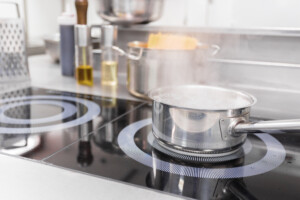
Smooth-top stoves use radiant heating beneath a glass surface. They heat more evenly than coil models, but still rely on direct electric resistance. They typically consume between 900 and 1,200 kWh per year. Using flat cookware on these stoves can improve energy efficiency.
Electric Convection Ovens
Convection ovens use internal fans to circulate hot air, allowing food to cook faster at lower temperatures. This reduced cooking time can lower overall electricity use, resulting in an average of 850 and 1,200 kWh per year.
Induction Stoves
Induction stoves use electromagnetic energy to heat cookware directly, rather than warming the burner surface. These stoves offer the fastest heating and the most precise temperature control. However, they do require induction-compatible cookware. As the most energy-efficient oven option, they use between 100 and 300 kWh per year.
How Much Does it Cost to Power an Electric Stove and Oven?
The cost to operate an electric stove and oven depends on your local electricity rate and how much energy is used by the appliance. These costs differ by state, but a few examples of average electricity rates by state include:
- New York: 23.30 cents per kWh
- Pennsylvania: 17.44 cents per kWh
- California: 30.0 cents per kWh
- Texas: 14.5 cents per kWh
- Florida: 15.8 cents per kWh
To estimate your annual electric stove costs, take the estimated yearly kWh usage from your stove and multiply it by your state’s average electricity rate.
For example:
If you live in New York and your electric stove uses 1,000 kWh per year, its current annual energy costs would be:
1,000 kWh x 0.233¢ = $233
Factors That Affect Electric Stove Energy Consumption
Several factors influence how much electricity your stove and oven consume.
Cooking Habits
Frequent cooking, long simmer times, and extended oven use all increase energy consumption. Preheating the oven longer than necessary can also lead to higher power costs over time.
Stove Type
Induction and convection ovens tend to use energy more efficiently than older electric coil stoves. Newer models often heat faster and retain heat better.
Burner Usage Patterns
Using large burners for small pots wastes energy. Matching pan size to burner size reduces unnecessary power consumption.
Cookware Material
Flat-bottomed cookware made from conductive materials transfers heat more efficiently, reducing cook time and energy use.
Appliance Age and Condition
Older stoves may require more energy to reach the same temperature. Damaged burners or faulty controls can result in inefficient operation.
Tips to Reduce Electric Stove Energy Consumption
Simple habits can reduce the amount of power your stove uses.
Use Lids When Cooking
Covering pots traps heat, allowing food to cook faster and reducing burner run time.
Keep Burners and Reflectors Clean
Dirty burners and reflectors reduce heat transfer, causing the stove to work harder than necessary.
Consider Pressure Cooking or Slow Cooking
Pressure cookers and slow cookers often use less electricity than a stovetop or oven for long cooking tasks.
Turn Burners Off Early
Residual heat can often finish cooking food without continued power use.
Purchase an Energy-Efficient Electric Oven and Range
Newer ENERGY STAR-rated electric ranges are designed to use energy more efficiently and maintain consistent temperatures.
Keep Your Kitchen Running With Agway
Understanding how much electricity your stove uses allows you to make informed decisions about cooking habits and appliance maintenance. Regular checks and mindful use can reduce the strain on your home’s electrical system and prevent issues over time.
If a kitchen inspection uncovers electrical concerns, remember to check your Agway EnergyGuard® program to determine if eligible repairs are covered before paying a dollar out of pocket. You can also call Agway Energy Services® for vendor referrals if you need a professional to test the outlets, circuits, or connections supporting your kitchen appliances. With the right care and support, your kitchen can remain safe and efficient year-round.
Electric Stove Watts FAQs
How many watts does an electric stove use per hour?
Most electric burners use between 1,200 and 3,000 watts per hour, depending on size and heat level. Ovens typically use between 2,000 and 5,000 watts when heating.
Do electric stoves use more electricity than gas stoves?
Yes, electric stoves use electricity directly, while gas stoves rely on natural gas. Depending on local energy rates and usage patterns, electric stoves can cost more to operate than gas stoves.
Are newer electric stoves more energy efficient?
Yes, newer electric stoves are often more efficient. Newer models typically heat faster and maintain temperature more efficiently than older ones.
What is the difference between an electric stove and a gas stove?
Electric stoves use heating elements powered by electricity, while gas stoves use an open flame. Each type uses different energy sources and has different maintenance requirements.


