
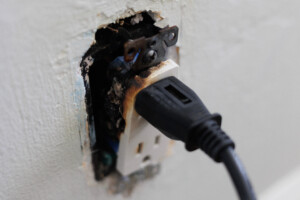
 Electrical problems can happen without warning, and knowing how to respond can help keep your home or small business safe. While some electrical issues are simply inconvenient, others require immediate attention from a qualified electrician. In this guide, we’ll break down electrical emergencies: what they are, how to recognize them, and what to do when one occurs.
What is an Electrical Emergency?
An electrical emergency is any situation involving your electrical system that could lead to shock, fire, or property damage. These emergencies often happen when wiring, outlets, or electrical panels start to malfunction. To stay safe when an electrical emergency occurs, turn off the power immediately and call a licensed electrician.
Recognizing the Warning Signs of an Electrical Problem
Most electrical emergencies start with small indications that something isn’t working the way it should. Common early warning signs include:
Warm Fixtures
Light switches or outlets should never feel warm to the touch. Heat in these elements can indicate loose wiring, overloaded circuits, or failing components. If you notice warmth or discoloration, stop using the fixture and call an electrician.
Outlet Sparks
A small spark when plugging in an appliance can be normal, but continuous or large sparks are typically caused by a short circuit or damaged wiring. If you notice sparks, unplug the device immediately and ask an electrician to inspect the outlet.
Flickering Lights
Flickering or dimming lights without a clear cause are normally the result of voltage fluctuations or a failing circuit. If lights in multiple rooms are affected, turn off power at the circuit breaker and contact a professional.
Burning Smells
A burning smell is a sign of a serious electrical issue. If you notice chemical odors or melting outlets, appliances, plugs, or electrical panels, turn off the power right away and leave the area before calling a professional. Contact your utility company if you suspect an issue with exterior power lines.
Buzzing or Cracking Sounds
Electrical systems should hum quietly in the background or remain silent. Loud buzzing, popping, or cracking sounds are signs of loose connections or failing wiring that requires immediate attention.
5 Common Types of Electrical Emergencies and How to Handle Them
Electrical emergencies come in many forms. Here are the most common types and the safest ways to handle them.
1. Electrical Fires
Electrical fires are normally caused by:
- Overloaded outlets
- Damaged cords
- Faulty wiring
- Overheating appliances
Risks of an electrical fire are highest in older homes with outdated electrical systems.
How to Handle Electrical Fires
Contact your local fire department and then try to extinguish the flame. Never attempt to put out an electrical fire with water. Because water conducts electricity, it can cause the fire to spread and increase your risk of electrical shock. Instead, use baking soda or a Class C fire extinguisher to smother small flames. Turn the power off at the breaker as well.
2. Circuit Breaker Failures
Circuit breakers trip when they’re overloaded. Faulty or failing breakers may trip repeatedly.
How to Handle Breaker Failures
If your breaker trips repeatedly, do not continue resetting it. Turn off connected devices and have a licensed electrician identify the cause. They may need to repair faulty wiring or replace the breaker entirely. If you’re an Agway EnergyGuard® customer, check your program first to see if repairs are covered before paying out of pocket*.
3. Electric Shock
Electric shocks can result from touching damaged cords, exposed wires, or faulty outlets. Wet surfaces increase the risk of shock.
How to Handle Electric Shock
Do not touch an individual who has been shocked until the power source is turned off. Touching them could result in the shock transferring to you. Shut off power at the breaker and call 911 for help. Even if the shock seems minor, internal injuries are possible.
4. Downed Power Lines
Power lines can fall due to strong storms or car accidents. Even wires that look inactive may still carry high voltage, so never touch or drive over a downed line.
How to Handle Downed Power Lines
Remain at least 30 feet away and keep pets and other people from getting close to it. Do not attempt to move the line or touch anything it is in contact with. Report the line to your local utility company. If you reside in NY or PA, review our electricity emergency contacts for more information regarding who to call.
5. Power Outages From Electrical Faults
Not all power outages are caused by poor weather. Faulty wiring, short circuits, and overloaded panels can also result in power loss.
How to Handle Power Outages From Electrical Faults
If your home loses power but your neighbors still have it, the issue may stem from your electrical system. Turn off appliances to prevent damage from a power surge when electricity returns, and have an electrician check for damage.
Be Proactive With Agway® to Avoid an Electrical Emergency
While electrical emergencies aren’t always preventable, there are steps you can take to reduce the risk. Some of these steps include:
- Replacing damaged cords and outlets
- Avoiding overloading extension cords or power strips
- Keeping electrical panels clean and accessible
- Scheduling regular inspections for older homes
- Being cautious with space heaters and high-demand appliances
- Installing smoke detectors and testing them regularly
For added peace of mind, EnergyGuard includes an Electric Line Protection Plan, which helps cover wear and tear on eligible electrical systems*. You can also call Agway Energy Services® for vendor referrals if you need an electrician for inspections or non-covered repairs. By taking care of minor repairs as they are needed, you can address electrical problems early before they turn into emergencies.
Electrical Emergencies FAQs
Is a burning smell or a hot outlet always an immediate emergency?
Yes, a burning smell or hot outlet is always considered a serious electrical emergency. Turn off the breaker for that area and contact a licensed electrician immediately.
My circuit breaker keeps tripping. Should I just keep resetting it?
No, you should not keep resetting your circuit breaker if it keeps tripping. If a breaker trips repeatedly, it indicates some type of failure. Resetting repeatedly can increase your risk of an electrical fire. Leave it off and contact an electrician instead.
In case of an electrical fire, what is the best way to put it out?
You should always use a Class C fire extinguisher or baking soda for small fires. Never use water, as water conducts electricity and can make the fire worse. If the fire spreads or you cannot safely access the breaker, immediately leave and call emergency services.
How do I quickly turn off the power to my house?
To quickly turn off power to your house, locate your electrical panel and flip the main breaker switch. This shuts off electricity to the whole home. Make sure you know how to identify the switch before an emergency occurs.
*Coverage depends on commodity purchased.


