
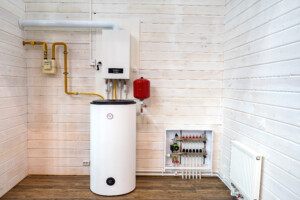
 Choosing between a gas vs. electric water heater is an important decision for any homeowner. Both systems have strengths and trade-offs when it comes to efficiency, cost, and performance. In this article, we’ll explore how each one works to help you choose the right one for your hot water needs.
Core Factors For Choosing Either a Gas or Electric Water Heater
When choosing the right water heater, there are several core factors to consider. Here’s how each plays a role in long-term comfort and convenience.
Energy Efficiency
Efficiency refers to how effectively your water heater converts energy into heat. Though gas models heat water more quickly, electric models are often more efficient.
Gas Water Heaters
Gas water heaters use natural gas or propane to heat water. They tend to work faster than electric models, making them ideal for larger households with higher hot water demands. However, some energy is lost through venting, which can make them slightly less effective.
Electric Water Heaters
Electric water heaters work more slowly, but utilize nearly all the energy they consume. As a result, they have high energy efficiency ratings. Electric models are often a great choice for smaller households or homes without natural gas service.
Overall Cost
Cost is often one of the biggest considerations when choosing a water heater. Though long-term expenses vary depending on installation, energy availability, and maintenance needs, the general cost differences can help you decide which system is best for your home.
Gas Water Heaters
Gas models typically have higher upfront costs because they need proper venting and access to a gas line. Installation can be more complex, especially if your home needs additional ventilation or piping installed. However, since natural gas rates are often lower than electricity rates, many homeowners find gas water heaters cheaper to run over the appliance’s lifespan. Exact savings depend on your local gas rates and the amount of hot water you use on a regular basis.
Electric Water Heaters
Electric water heaters often have a lower upfront cost because they’re easier to install. All they need is access to your home’s electrical system. Their ongoing operational costs depend on your electricity rate and the type of heater you purchase. For example, heat pump electric water heaters use less electricity than standard models, which can reduce energy consumption and overall cost.
Capacity and Performance
Your household size and daily water use determine how much capacity you need. This capacity is usually measured in gallons.
Gas Water Heaters.
Gas water heaters excel in performance for families or homes with high water demand. They deliver hot water faster and recover more quickly after heavy use, such as multiple showers or sequential loads of laundry.
Gas water heaters range from 30-100 gallons, but 40-60 gallon tanks are the ones most commonly found in average households.
Electric Water Heaters
Electric water heaters have slower recovery rates but provide steady, reliable heating in smaller homes. Many models include programmable settings for added temperature control to reduce wasted energy.
Electric water heaters usually range from 30-80 gallons, but some compact electric units, designed for tighter spaces, come as small as 20 gallons.
Installation Requirements
Proper installation is essential for both safety and performance of your water heater, regardless of type.
Gas Water Heaters
Gas models require access to a gas line and proper ventilation to expel exhaust gases safely. A licensed technician should always handle installation to ensure compliance with local codes and prevent gas leaks.
Electric Water Heaters
Electric water heaters are easier to install because they don’t require venting or gas connections. These models only need access to your home’s electrical system and sufficient circuit capacity. For this reason, installation costs for electric models are usually lower, making them a top choice for apartments or smaller homes.
Maintenance Needs
Routine maintenance can extend your water heater’s lifespan. With regular care, both types can last for over a decade.
Gas Water Heaters
Gas units need regular inspections to check the burner, pilot lights, and vents for blockages or buildup. Flushing the tank once a year helps remove sediment and maintain heating efficiency. Because these units involve combustion, gas models may require slightly more professional maintenance over time. On average, gas water heaters last between 10-15 years with proper care.
Electric Water Heaters
Electric units have fewer moving parts and no combustion components, making them simpler to maintain. However, they still benefit from annual flushing and periodic checks on heating elements and thermostats. With proper care, an electric unit can last a decade or more with minimal service interruptions.
Environmental Impact
The type of water heater you choose can impact your carbon footprint.
Gas Water Heaters
Gas models release carbon emissions during combustion, which contribute to the level of greenhouse gases in the atmosphere. However, natural gas or propane systems are often more efficient than older oil setups. Some newer high-efficiency gas models help reduce emissions through improved burner design and better insulation.
Electric Water Heaters
Electric water heaters don’t produce on-site emissions, making them a cleaner option. Heat pump water heaters, also known as hybrid electric water heaters, are among the most environmentally friendly models available today, using less than half the energy of standard electric units.
Deciding Which to Choose
Your home’s size, energy setup, and daily use will determine which water heater is the better fit.
Choose Gas Water Heaters if…
- You have high hot water demands, such as large families or frequent, simultaneous usage.
- Your home already has a natural gas line installed.
- You want faster recovery times after showers or laundry.
- You don’t mind occasional maintenance or venting checks.
Choose Electric Water Heaters if…
- You have lower hot water needs, such as a smaller household or apartment.
- Your home doesn’t have access to a gas line.
- You prefer simple installation and minimal maintenance.
- You’re interested in cleaner energy using energy-efficient heat pump models.
Power Your Water Heater With Agway®
Whether you choose gas or electric, a reliable energy supply is key to year-round comfort. Agway’s gas and electricity plans provide peace of mind, ensuring you can enjoy hot water and peace of mind whenever you turn on the tap or step into the shower.
Sign up today for reliable energy supply from Agway Energy Services® and give your home the benefit of stable, dependable power.
Gas vs. Electric Water Heater FAQs
Which water heater typically requires the least amount of maintenance?
Electric water heaters generally need less maintenance than gas units, since they don’t rely on combustion or venting systems. Annual flushing and thermostat checks are usually enough maintenance to keep them running efficiently.
Are gas water heaters getting phased out?
No, gas water heaters are not getting phased out. While some states are exploring transitions toward electric and renewable energy systems, gas water heaters remain common due to their reliability and high output. Advances in energy efficiency have helped reduce their environmental impact.
How often do my water heaters need to be replaced?
Most water heaters last between 8-15 years with proper maintenance before they need to be replaced. Regular flushing and inspections can extend their lifespan and improve their performance.
*Coverage depends on commodity purchased.


