
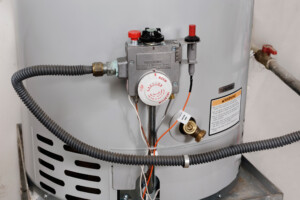
 Your hot water heater works hard every day to provide warm water for cleaning, cooking, bathing, and laundry. Over time, sediment buildup inside the tank can reduce efficiency and result in increased strain on the system. Flushing your hot water heater can help remove sediment deposits so your equipment runs more reliably. In this article, we’ll explain the importance of hot water flushing and how to do it properly.
What Does it Mean to Flush My Water Heater?
Flushing your hot water heater means removing built-up sediment from the bottom of the tank. Sediment usually comes from minerals in your water supply that settle over time. When too much buildup occurs, the heater has to work harder to raise the temperature of the water.
Note that flushing and draining are not the same process. Draining a water heater releases all the water inside the tank. Flushing goes a step further by rinsing the inside of the tank with fresh water to wash out sediment and debris. A full flush is more effective than draining alone for keeping your system running efficiently.
Why Does My Hot Water Heater Need to Be Flushed?
Flushing your hot water heater on a regular basis comes with several benefits.
Improved Energy Efficiency
When sediment builds up, it creates a barrier between the water and the heating source. This forces the system to run longer to reach your desired temperature. Flushing removes this buildup, allowing your heater to warm water more effectively and perform at normal levels.
Extended Water Heater Lifespan
Sediment buildup increases stress on internal components. Over time, this added strain can result in overheating, corrosion, and early system failure. Regular flushing reduces wear on heating elements and the tank itself, leading to a longer service life.
Reduced Noise
Popping, rumbling, or cracking noises often occur when water trapped underneath sediment begins to boil. These sounds are common in tanks that aren’t flushed regularly. Removing the sediment allows water to heat evenly, which can reduce noise during operation.
Consistent Water Temperature
Sediment can interfere with the thermostat’s ability to regulate temperature properly. This can lead to uneven heating or fluctuations in hot water output. A flushed tank allows the thermostat and heating components to work together more effectively, resulting in more consistent water temperature.
How to Flush Your Water Heater
Flushing a water heater is a manageable task for some homeowners, while others prefer to call a professional. If you feel unsure about the process, stop and schedule service with a licensed technician.
If you plan to flush your water heater yourself, here are the general steps you will have to take:
Turn off the water heater.
This process is different between gas and electric models. For electric models, switch off the breaker. For gas models, turn the thermostat to the “pilot” setting.
Turn off the cold water supply.
This prevents new water from entering the tank during the flush.
Attach a garden hose to the drain valve.
Place the other end of the hose in a safe drainage area. Avoid draining near your home’s foundation, as this can cause damage.
Open the drain valve.
Let the water in the tank flow out. You may notice cloudiness in the water or debris coming out at first.
Flush the tank.
Turn the cold water supply on briefly to rinse out additional sediment before draining again. Repeat at needed until expelled water is clear and free of sediment.
Close the valve and refill the tank.
Turn the cold water supply back on fully.
Restore power or relight the pilot.
Make sure the tank is completely full before turning the heater back on.
Leaks, heavy rust, or unusually thick sediment are signs you should call an expert. Stop and call for service if you notice any of these.
Hot Water Heater Flushing FAQs
How often should you flush your water heater?
Most experts recommend flushing your hot water heater at least once per year. Homes with hard water may need to flush their water heater more often, as sediment may build up faster.
When should I flush it vs. calling a professional?
You can flush your hot water heater yourself if the unit is in good condition and you feel comfortable performing the steps listed above. Call a professional if you notice any leaks, rust, heavy sediment, or if the process feels overwhelming.
What can happen over time if I don’t flush my water heater?
Sediment buildup can reduce efficiency, increase noise, and cause premature wear. In severe cases, not flushing your water heater can result in tank failure. Experts recommend flushing your tank at least once a year to avoid these issues.
Can flushing damage my water heater?
Flushing a water heater is safe when done correctly. Damage usually only occurs if the tank is already corroded or has structural problems. If you suspect damage, call a licensed technician.


