
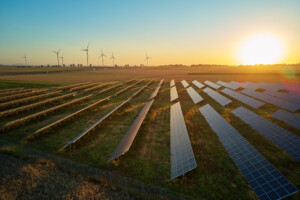
 Many homeowners are curious about how renewable energy works and what it means for their home. Though most residential customers don’t generate their own power, understanding the types of renewable energy can help you understand how electricity is produced and delivered. In this article, we’ll explain what makes energy “renewable” and explore the different types of renewable energy.
What Makes an Energy Source “Renewable?”
An energy source is considered renewable if it naturally replenishes over time and doesn’t run out through normal use. Unlike fossil fuels, such as coal or oil, renewable sources rely on ongoing natural processes like sunlight, wind, or water currents.
Renewable energy sources are a major player in discussions about sustainability, grid modernization, and long-term energy planning. However, availability and usage vary depending on geography, infrastructure, and state-level energy policies.
5 Most Common Types of Renewable Energy
1. Solar
Solar energy is produced by using photovoltaic panels to capture sunlight. These panels convert the sun’s rays into electricity that can power homes, businesses, and even parts of the electric grid.
Solar installations are often found on rooftops or in large solar farms. Though solar production depends on sunlight availability, it plays a large role in regional energy generation, especially in sunny regions.
2. Wind Power
Wind turbines convert moving air into electricity. When wind spins the turbine blades, it drives a generator that produces power.
Wind energy is often generated on large wind farms and then fed into the electric grid. In certain parts of Pennsylvania and New York, wind power contributes to the overall energy mix.
3. Hydropower
Hydropower uses moving water to generate electricity. Dams or flowing rivers spin turbines to produce energy.
New York is one of the states that benefits from hydropower resources, including power generated from large river systems. Hydropower has been used for decades and is a significant renewable energy source in the Northeast.
4. Geothermal
Geothermal energy uses heat stored beneath the Earth’s surface to create power. Specialized systems tap into underground heat to provide electricity or direct heating. Though less common in residential settings, some geothermal systems can be used to heat and cool individual buildings.
5. Biomass
Biomass energy comes from organic materials such as wood, agricultural waste, and other plant-based matter. When these materials are processed or burned under controlled conditions, they can be used to generate heat and electricity.
Biomass plays a smaller role in the electricity grid, but it still contributes to America’s renewable energy production.
Renewable Energy in New York and Pennsylvania
Both New York and Pennsylvania have evolving energy landscapes that include a mix of traditional and renewable sources. For those looking to incorporate renewable sources into their residential or business, there are several benefits, such as:
- Reduced reliance on a single fuel type
- Long-term resource sustainability
- Support for regional energy goals
For homeowners, renewable energy often comes from the broader electric grid, rather than direct generation. The exact mix of energy sources depends on infrastructure, generation facilities, and regulatory policies within each state.
Renewable Energy FAQs
What is the difference between green, clean, and renewable energy?
Renewable energy refers to sources that naturally replenish, such as solar or wind. Clean energy usually refers to energy that produces little to no emissions, while “green” energy is often used in marketing to describe both renewable and clean energy options.
Does switching to a retail supplier affect my energy reliability?
No, switching to a retail supplier does not affect your energy reliability. Your local utility company will continue to deliver electricity and maintain power lines, regardless of your energy supplier. Switching suppliers only affects the supply portion of your bill.


