
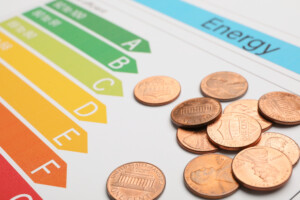
 Energy prices can rise for many reasons, from everyday changes in supply and demand to extreme weather and global events. Some increases happen gradually, while others seem to impact your bill almost overnight.
In this article, we’ll explain what triggers energy price increases and what steps you can take to reduce their impact on your bill.
Why Do Energy Prices Go Up?
Electricity and natural gas prices reflect the cost of producing, purchasing, and transporting energy. Those costs can change throughout the year depending on fuel prices, demand, weather, and infrastructure needs.
The Fuel Powering Your Electricity Costs Money
Electricity needs to be generated before it can be delivered to your home. Power plants may produce energy via several sources, including:
- Natural gas
- Nuclear energy
- Coal
- Hydropower
- Wind
- Solar
The cost of those resources affects the wholesale price of electricity. For example, when natural gas gets more expensive, electricity prices may increase in regions that rely on gas-fired power plants.
Power plants also have operating and maintenance costs. Fuel transportation, equipment repairs, and upgrades to aging infrastructure can all influence the cost of producing electricity.
Everyone Wants Power at the Same Time
Energy demand changes throughout the year. For example, demand rises on hot summer afternoons when air conditioners are running, and on cold winter mornings when homes need more heat.
When many customers need electricity at the same time, grid operators may have to use additional power plants to meet that demand, increasing wholesale energy prices.
Where You Live Matters
Not every region produces and receives electricity the same way. Your energy costs are influenced by factors like:
- The types of power plants serving your region
- The availability of natural gas pipelines
- Local weather
- State regulations
- Transmission capacity
- The condition of local infrastructure
The Northeast, for example, often faces high seasonal demand and infrastructure constraints. Some areas may have limited pipeline capacity or rely on fuels that become expensive during winter, such as natural gas.
Keep in mind, regional differences don’t necessarily mean one area is using more electricity than another. It simply reflects differences in how that energy is produced, purchased, and moved.
Sudden Events That Make Prices Spike
Normal demand patterns are part of everyday energy pricing, but some events change conditions quickly. When energy supplies become limited at the same time demand rises, wholesale prices can jump.
Common causes of sudden energy price increases include:
- Cold snaps and heat waves: Extreme temperatures can cause heating or cooling demand to rise rapidly across the region.
- Storm damage: Severe weather can damage power lines, substations, pipelines, and other equipment.
- Pipeline or fuel delivery disruptions: If fuel can’t reach power plants or communities as expected, the available supply may decrease.
- Unexpected power plant outages: When a major generating facility goes offline, the grid may need to rely on more expensive replacement power without warning.
- Parts and equipment shortages: Delayed repairs can keep important energy infrastructure out of service longer.
- A sudden surge in regional demand: Large increases in usage can strain the available supply, especially during extreme weather.
- World events: International conflicts, trade disruptions, and changes in global fuel markets can affect natural gas and oil costs.
Keep in mind that these events don’t always affect every household immediately or in the same way. The impact on your bill depends on your location, supplier, plan type, and utility.
How All of This Shows Up on Your Bill
Your energy bill typically includes separate charges for supply and delivery. The supply charge reflects the electricity or natural gas you purchased from your energy supplier. Changes in wholesale markets and plan terms can affect this part of your bill.
The delivery charge comes from your local utility. This covers the infrastructure and maintenance needed to deliver energy to your home, including repairs, meter readings, and outage response.
Your total bill can increase for several reasons, such as:
- You used more electricity or natural gas
- Your supply rate changed
- Utility delivery charges changed
- Your billing period contained more days
- Taxes, fees, or other approved charges changed
- Extreme weather caused your heating or cooling system to run longer
Reviewing each section on your bill separately can help you determine whether a higher energy bill came from increased usage, a rate change, or something else.
What You Can (and Can’t) Control
You can’t control the weather, wholesale fuel markets, power outages, or world events. But you can make decisions about your energy plan and how much energy your home or business uses.
Fixed-Rate Supply Plans
A fixed-rate supply plan keeps your agreed-upon supply rate stable for the length of your contract. That means that if wholesale market prices increase during that period, your contracted supply rate doesn’t.
Keep in mind that a fixed rate doesn’t guarantee the same total bill every month. Your bill can still change based on how much energy you use, utility delivery charges, taxes, fees, and the number of days in your billing cycle.
Energy Choice in NY and PA
New York and Pennsylvania customers have energy choice, meaning they can compare available third-party suppliers instead of automatically receiving supply from their local utility. Comparing suppliers can help you make the smartest choice for your energy needs.
Energy Consumption Changes
You can also reduce the effect of higher prices by lowering your energy consumption:
- Energy conservation: Consider changing your habits to use less energy, such as turning off lights or adjusting the thermostat.
- Energy efficiency: Consider using equipment or technology that uses less energy compared to standard equipment, such as LED bulbs or high-efficiency HVAC systems.
Simple Ways to Protect Yourself From Price Spikes
A fixed-rate supply plan can help protect your supply rate from short-term market swings, but a few practical habits can also reduce how much energy you need when prices or seasonal usage rise.
Time Your Biggest Appliances Carefully
Dishwashers, clothes dryers, washing machines, and other large appliances can contribute to your household’s electricity demand. When possible, avoid running several high-powered appliances all at once.
Customers with time-of-use utility rates may also pay different prices depending on when they use electricity. Review your utility rate structure before assuming that off-peak scheduling will lower your bill.
Seal Easy Energy Losses
Heated or cooled air can escape through small gaps around windows, doors, and utility penetrations. Use weatherstripping, caulk, and other basic sealing to help keep your home at a consistent temperature and to keep your heating and cooling systems from running too often.
Adjust Your Thermostat a Few Degrees
Your HVAC system accounts for a large share of your household energy usage. Adjust your thermostat a few degrees when you’re asleep or away to reduce how much your system runs. You should also avoid large, constant temperature swings that can cause your equipment to work harder to recover.
Keep Your Systems in Good Condition
Dirty filters, worn parts, and blocked vents can force heating and cooling systems to run harder and longer than needed. Regular filter changes and professional service can help the system operate more efficiently.
A sudden increase in energy use can also indicate that your furnace or air conditioner needs attention. Addressing repairs early can prevent the problem from becoming more expensive or disruptive. Agway customers are eligible for Agway EnergyGuard®, a value-added repair program that helps cover qualifying repairs on eligible heating, cooling, or interior electrical systems.*
Contact Agway Energy Services® to explore available supply plans and learn how EnergyGuard can help protect the systems you rely on throughout the year.
Energy Price Increases FAQs
Why did my electric bill suddenly go up?
A sudden increase in your electric bill may be the result of higher usage, a supply-rate change, increased utility delivery charges, or a longer billing period. Extreme weather can also result in air conditioners and electric heating systems running more often. Compare your current usage with the same period last year to determine what has changed in your billing compared to last year.
Does natural gas really affect my electricity price?
Yes, natural gas prices can impact your electricity price. Many power plants use natural gas to generate electricity, so higher natural gas costs may increase wholesale electricity prices in regions that rely heavily on gas-fired generation. The effect varies by location and by the mix of energy sources serving the regional grid.
Why are energy prices higher in the Northeast than other parts of the country?
Energy prices are often higher in the Northeast because of strong seasonal demand and limited pipeline capacity. Cold winters and hot summers create periods of unusually high demand. However, each state and utility territory is different, so regional averages don’t determine what every household pays.
Do energy prices ever go back down after a spike?
Yes, wholesale energy prices can go back down after a spike. Prices may fall when temperatures become milder, fuel supplies improve, demand decreases, or disrupted infrastructure returns to service.
However, a decrease in wholesale prices may not appear on every customer’s bill immediately. The timing depends on your supplier agreement, utility pricing schedule, billing cycle, and plan type.
Can locking in a rate protect me from price spikes I can’t predict?
Yes, locking in a rate on a fixed-rate plan can protect you from price spikes when market prices rise. This can make the supply portion of your bill more predictable. Your total monthly bill may still change based on usage, utility delivery charges, taxes, fees, and billing-cycle length. Contact Agway if you have questions about your supply plan.
*Coverage depends on commodity purchased.


