
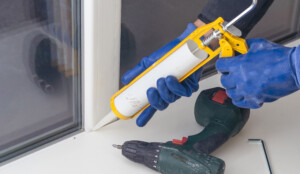
 Extreme weather exacerbates heating and cooling costs. For comfort, safety, and financial well-being, homeowners and business owners need to plan ahead and be prepared. While good energy habits help you manage expenses day-to-day, weatherization helps you manage them over an entire year. What is weatherization? It’s the process of improving your building’s energy efficiency by upgrading its structure and systems. With energy prices rising steadily, here are some of the most common weatherization techniques being implemented in homes and businesses across the United States.
Weatherization vs. Maintenance
Keeping your property in working order requires a lot of small tasks ‒ changing lightbulbs, checking smoke detectors, cleaning your HVAC system, etc. This type of upkeep ensures assets function correctly, but it’s designed to maintain your building, not improve it. Weatherization, on the other hand, improves the value of your home or business with targeted upgrades meant to reduce waste and promote long-term savings.
Common Weatherization Techniques
Weatherizing involves a variety of activities, from small tweaks to major overhauls, which reduce waste and inefficiency. While there’s a lot you can do to improve your building, some the most common strategies include:
- Air Sealing. Filling gaps, cracks, and holes in walls, ceilings, floors, doors, and windows prevents heat loss in winter and heat gain in summer.
- Insulation. Replacing worn insulation in your walls, floors, attic, and basement helps you control indoor temperatures.
- New Windows. Installing double or triple pane glass slows heat transfer and keeps condensation from forming inside your building. It even prevents noise transmission.
- Duct Sealing. Applying fiber reinforced sealant to cracks in your ventilation system ensures efficient air circulation.
- Pipe Insulation. Wrapping hot water pipes with polyethylene foam, rubber, or fiberglass reduces heat loss and improves your hot water supply.
- Mechanical System Assessment. Optimizes the performance of your furnace, boiler, and air conditioner to make sure every room is evenly heated and cooled.
Weatherization reinforces your building envelope, the protective shell that separates you from the forces of nature. While few property owners can afford to modernize every aspect of their home and business, even small improvements can make a difference ‒ lowering utility bills, protecting you from damage, and keeping you comfortable in all four seasons.
Why is Weatherization Important?
No matter where you live, weather takes a toll. Wind, rain, ice, snow, and extreme temperatures can undermine the integrity of your building ‒ leading to costly repairs later on. Weatherization helps address these concerns, resulting in:
- Energy Savings. Sealing air leaks, adding new insulation, and updating essential systems significantly reduces the energy required to heat or cool your building.
- Greater Comfort. Preventing drafts, cold spots, and heat loss keeps temperatures consistent indoors, making it easier to relax and carry out normal activities.
- Better Health. Repairing leaks, cracks, and gaps prevents moisture from seeping in and facilitating the growth of mold while also minimizing exposure to allergens.
- Extended Lifespan. Weatherization protects structural components like walls, roofs, and foundations, so the elements can’t gain a foothold.
- Smaller Environmental Impact. Eliminating waste means climate systems run more efficiently, reducing your carbon footprint.
Don’t wait for the weather to shift. Start planning improvements as soon as you can, before conditions change, to ensure you’re ready for sudden storms or temperature swings ‒ maximizing your savings and comfort.
Saving Money on Energy Related Repairs
Weatherization protects your building. Agway® protects your finances. Our EnergyGuard program covers your heating, cooling, and electrical systems* from damage caused by wear and tear. While insurance only compensates you for theft, accidents, and natural disasters, Agway EnergyGuard® helps restore your systems after they malfunction ‒ saving you hundreds or thousands of dollars.
When the need for repair occurs, our customers don’t have to waste time searching for a qualified repairman. They contact us instead. Our service team is available twenty-four hours a day. After receiving your call, they reach out to our network of electricians and HVAC contractors and send the first available one straight to your door. There are no service fees or deductibles either. We pay for the visit and all covered parts. Don’t let a breakdown upset your budget. Sign up and start enjoying the benefits of EnergyGuard today!
*Systems covered depend on commodity purchased


