
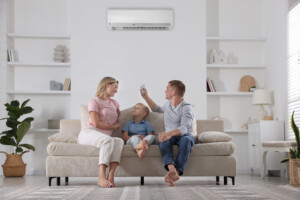
 For homeowners comparing cooling systems, operating costs are one of the biggest considerations. Though mini-splits are generally more efficient than central air conditioning, actual savings depend heavily on how you use the system and the configuration of your home.
In this article, we’ll explore how efficiency, ductwork, and cooling habits affect energy use in central air and mini-split air conditioners, so you can make an informed decision about how to manage temperatures inside your home.
Comparing System Efficiency: SEER Ratings
One of the easiest ways to compare cooling systems is by looking at their Seasonal Energy Efficiency Ratio (SEER). SEER is a measurement of how efficient an air conditioning system is at converting electricity into cooling over a typical cooling season. Generally, the higher the SEER, the lower the electricity usage for the same cooling output.
Typical SEER ratings for different air conditioning types include:
- Central AC: 14-20 SEER
- Mini-splits: 18-30+ SEER
Because most mini-splits have a higher SEER, they use less electricity per BTU (British Thermal Unit) of cooling delivered, making them one of the most efficient air conditioning options for homes.
How Ductwork Affects Central Air Efficiency
The type of equipment you use affects the efficiency of your home cooling. However, efficiency isn’t determined only by the equipment itself. How cooled air is delivered throughout the home also matters.
Central Air Systems Lose Energy Through Ducts
Central air systems use ductwork to move conditioned air from the HVAC unit to each room. According to ENERGY STAR, in a typical home, approximately 20-30 percent of conditioned air is lost through leaks, holes, and poorly connected ducts.
Even highly efficient air conditioners can lose performance if the ductwork is poorly sealed or not properly maintained.
Mini-Splits Avoid Duct-Related Energy Loss Issues
Mini-splits use refrigerant lines that connect the outdoor unit directly to indoor air handlers, often called “heads.” Because no conditioned air travels through ducts, there’s no duct-related energy loss. This direct delivery system is one of the biggest reasons why mini-splits are generally more efficient than central air systems.
The Role of Zone Control
Another big advantage of mini-splits is zone control. Zone control allows you to independently adjust temperatures in different areas of your home.
With central air, the system typically cools an entire zone of ductwork, which usually means cooling most or all of the house at once. Mini-splits allow you to cool only the rooms you’re actively using. For example, you can cool just the living room during the day, and cool only bedrooms at night.
Keep in mind that zone control only saves money if you actually use it. If you use your mini-split the same way you do a central air system, you won’t see much savings, if any. The greatest benefits happen when homeowners actively turn off units in unoccupied rooms and direct cooling where it’s actually needed.
How You Cool Determines What You Pay
The way your household uses air conditioning often matters more than the equipment itself.
Mini-Splits Cost Less When You:
- Cool only 1–3 rooms at a time
- Turn off heads in unused areas
- Have a smaller household (1–3 occupants)
- Spend portions of the day away from home
- Need targeted cooling for additions, offices, or bedrooms
Central Air Costs Less When You:
- Cool most rooms simultaneously
- Have an open floor plan
- Use shared living spaces throughout the day
- Cool 70 percent or more of your home’s square footage regularly
- Prefer whole-home comfort with minimal adjustments
Which System Makes Sense for You?
The most cost-effective system depends on how you live in your home.
Mini-Splits Make More Sense If You:
- Would actively use zone control
- Only cool certain areas of the house at a time
- Have a home that lacks ductwork
- Want room-by-room temperature control
- Have additions, basements, or attics that are difficult to cool
Central Air Makes More Sense If You:
- Consistently cool most of your home
- Have properly sealed and maintained ductwork
- Spend time in multiple rooms each day
- Wouldn’t benefit from zoning with your cooling habits
Protect Your Cooling System With Agway
Whether you choose central air or a mini-split system, unexpected repairs can quickly become more expensive than the monthly operating costs you’re trying to save. For eligible electricity customers, Agway Energy Services® provides access to Agway EnergyGuard®, which may help cover repairs caused by wear and tear on qualifying cooling systems, including central air conditioners and mini-splits*.
Contact Agway to learn more about available electricity plans and EnergyGuard protection options designed to help keep your home comfortable throughout the summer.
*Coverage depends on commodity purchased.


