
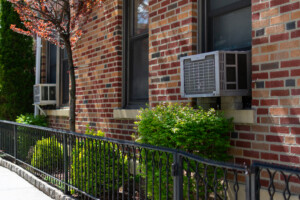
 Window air conditioners are a popular cooling option for many homes and apartments. If you rely on a window AC unit, you may wonder how much electricity it uses and how it affects your monthly electric bill. Window units are typically smaller and more efficient than central cooling systems, but electricity usage can vary depending on the unit size and household usage patterns. Understanding this can help you better estimate costs and manage your energy consumption. Here’s how you can determine how much electricity a window AC unit uses and make informed decisions about your energy use.
Window AC Wattage by Size
Window air conditioners use different amounts of electricity depending on their cooling capacity, which is measured in British Thermal Units (BTUs). Larger rooms require bigger units, which use more power. Typical wattage by unit size:
- 5,000 BTU = 400-500 watts
- 8,000 BTU = 700-900 watts
- 10,000 BTU = 900-1,200 watts
- 12,000 BTU = 1,200-1,500 watts
- 15,000 BTU = 1,500-1,800 watts
These ranges may vary slightly by manufacturer and efficiency rating. Smaller units used for bedrooms or offices consume significantly less energy than those cooling larger living areas.
How Much Does It Cost to Run a Window AC?
The example below illustrates how daily usage translates into monthly cost. If you own a 5,000 BTU unit that draws 450 watts and runs 8 hours per day, you can estimate your monthly cost using this formula:
1. Calculate Daily Watt-Hours
Multiply the unit’s wattage by the number of hours it runs.
450 Watts × 8 Hours = 3,600 Watt-hours
2. Convert to Kilowatt-Hours (kWh)
Then, divide the daily total by 1,000 to find the kWh used.
3,600 Watt-hours ÷ 1,000 = 3.6 kWh per day
3. Find Your Monthly Cost
Finally, you’ll multiply your kWh used per day by your electricity cost, then multiply that by 30 to get your monthly cost:
kWh Per Day x Electricity Cost per kWh x 30 (days) = Estimated AC Cost Per Month
Electricity rates vary by location. You should check your local utility or supplier for the most accurate pricing. Below are sample estimates based on average electricity rates in Pennsylvania and New York.
Daily usage: 3.6 kWh
Pennsylvania (~$0.20/kWh) = $21.60/month
New York (~$0.26/kWh) = $28.20/month
Actual costs vary based on usage, efficiency, and local electricity rates.
What Affects Window AC Energy Use?
Homes in the Northeast often experience different cooling challenges than homes in other regions. Several factors influence how much electricity your AC uses:.
Humidity
High humidity forces your AC to work harder to remove moisture and cool the air.
Older Homes and Insulation
Older or poorly insulated homes lose cool air faster, increasing runtime.
Electrical Systems
Outdated wiring or systems may reduce efficiency and increase energy use.
Usage Habits
Longer run times and lower temperature settings increase electricity consumption.
How to Reduce Window AC Electricity Usage
Lower your cooling costs with these simple steps:
- Seal gaps around the unit with insulation or weather stripping
- Clean or replace filters regularly for proper airflow
- Block sunlight with blinds or curtains during peak heat
- Use ceiling fans to circulate air and reduce AC demand
- Cool only occupied rooms to avoid wasted energy
Even small adjustments can noticeably reduce your monthly bill.
Window AC vs. Central Air: Which Uses More Electricity?
A single window AC unit uses less electricity than central air because it cools a smaller space. However, running multiple window units throughout a home can result in similar or higher total energy use compared to central air.
FAQs
Does a window AC use more electricity than a central air system?
No. Most window units are energy-efficient, especially when cooling a single room.
Can a dirty window AC filter increase my electricity bill?
Yes. A clogged filter restricts airflow, forcing the unit to work harder, resulting in higher electricity consumption over time.
How does Agway Energy Services help me manage my summer cooling bills?
Agway provides electricity supply for homes and small businesses in New York and Pennsylvania. Our reliable energy supply and clear plan options can help you understand and manage seasonal energy costs.
How can I find out more about Agway Energy Services?
You can contact Agway directly to learn more about our electricity supply plans and service options. Our team can answer any questions you may have about powering your home or small business.
Manage Your Summer Cooling With Agway
Understanding your window AC’s electricity use helps you plan ahead and avoid surprises on your bill.
Agway Energy Services® helps you stay comfortable while managing seasonal energy costs. We not only provide reliable electricity supply homes and small businesses in New York and Pennsylvania, we also offer access to our EnergyGuard repair plan to every customer, which helps cover the cost of energy-related repairs.


