
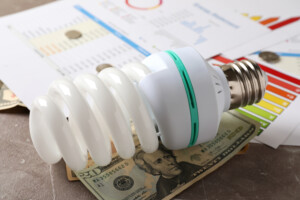
 Electric bills change throughout the year, especially during periods of extreme heat or cold. Though energy rates and delivery charges aren’t always within your control, you may still be wondering how to lower your electric bill. Luckily, there are practical steps you can take to manage your electricity use and reduce your energy costs. In this article, we’ll share how to lower your electric bill through a combination of small changes and smart long-term planning.
Quick Wins
Here are some immediate actions you can take to reduce energy consumption and costs.
Adjust Your Thermostat
Lowering or raising your thermostat by just a few degrees can reduce how often your HVAC system runs. In warmer months, set it a few degrees higher while you’re away. In colder months, lower it slightly overnight or when nobody is home.
Optimize Use of Major Appliances
Run dishwashers and washing machines only when full and use energy-saving settings when available. Avoid using large appliances back-to-back when your household is most actively using electricity to reduce the strain on your electrical system.
Eliminate Phantom Power Drain
Many electronics continue to draw power even when turned off. Unplug unused devices or use power strips to shut them off entirely when not in use.
Improve Lighting Efficiency
Switching from incandescent bulbs to LEDs reduces electricity use and extends bulb life. Turn off lights in unused rooms and take advantage of natural light during daytime.
Medium Investment Upgrades
These improvements require some upfront planning but can reduce ongoing electricity use over time.
Smart Home Technology
Advanced technology like smart thermostats, plugs, and lighting systems can help you regulate electricity consumption. These tools adjust usage based on schedules, occupancy, and temperature changes, reducing unnecessary energy use.
Appliance Optimization
Newer appliance models often operate more efficiently than older ones. Choosing ENERGY STAR®-rated appliances can help reduce electricity usage while maintaining high performance.
Electrical System Checkups
Loose connections, aging wiring, and overloaded circuits can lower efficiency. Scheduling an inspection helps ensure your electrical system is working as intended.
Contact Agway for vendor referrals if you need professional testing or maintenance, and to check if your Agway EnergyGuard® program will help cover any discovered energy-related wear and tear on eligible systems*.
Long-Term Investment Upgrades
Upgrading your systems is more costly and time-consuming but has a greater impact on overall energy use.
HVAC System Upgrades
Heating and cooling systems account for a large portion of household electricity use. Newer systems operate more efficiently and provide more consistent comfort, saving energy without losing performance.
Window Improvements
Drafty windows and poor seals let conditioned air escape. Sealing windows or adding weatherstripping helps maintain indoor temperatures and reduces HVAC run time, preventing unnecessary wear and tear on your heating and cooling system.
Solar and Alternative Energy
Some homeowners invest in solar or alternative energy options to offset electricity use. Availability and effectiveness can vary by location, roof design, and regulations. However, these options can significantly reduce traditional energy use if they’re available.
Insulation Improvements
Upgrading attic, wall, or crawlspace insulation minimizes heat loss in winter and heat gain in summer, helping you save energy year-round.
Seasonal Strategies
Energy use changes with the seasons. Here are some energy-saving strategies to help you throughout the year.
Summer Cooling Costs
Hot weather increases demand on cooling systems, driving up energy use. These strategies can help keep your home cooler during summer without overworking your cooling equipment.
- Spin ceiling fans counterclockwise to circulate air and keep rooms feeling cooler
- Close blinds and curtains during the hottest parts of the day
- Open windows in the evening and early morning to let in cooler nighttime air
- Cook outdoors or only use small appliances
- Limit heat-producing activities, like running dryers, during peak heat hours
Winter Heating Efficiency
Cold weather leads to higher heating demand, especially during extended cold spells. These small changes can help support consistent warmth through your home without putting unnecessary strain on your heating system.
- Reverse the direction of your ceiling fan to push warm air downward
- Keep vents clear and replace filters regularly to maintain proper airflow
- Open window coverings during sunny hours to let sunlight warm your home
- Dress in layers
- Use your fireplace on colder days
- Keep doors closed in unused rooms to concentrate heat in occupied spaces
Track Your Progress
Monitor your usage to determine which strategies are making a noticeable difference in your energy consumption and costs.
Behavioral Changes
Simple habits like turning off lights, reducing screen time, and unplugging unused devices add up over time. Review your bill each month after implementing these changes to spot trends and adjust accordingly.
Utility Program Choices
In states like New York and Pennsylvania, customers can choose their energy supplier. Agway Energy Services® provides reliable electricity supply for homeowners and small businesses, along with Agway EnergyGuard®, a value-added program to support long-term system reliability.
EnergyGuard helps cover wear and tear on eligible heating, cooling, and electrical systems*. Customers are automatically enrolled when they join, ensuring professional help is available if you encounter an issue with your furnace, air conditioning, or interior wiring.
Final Thoughts: Keep Your Energy Use Under Control With Agway®
Lowering your electric bill starts by understanding how your home or small business uses electricity. From quick habit changes to long-term system upgrades, every improvement helps your home or company operate more efficiently.
Sign up with Agway® today to receive reliable electricity supply and access to EnergyGuard. With the right approach and the right support, you can keep your home comfortable and energy bills manageable year-round.
Lowering Your Electric Bill FAQ
What’s the fastest way to lower my electric bill right now?
The fastest way to lower your electric bill right now is through quick wins. These include habits like reducing unnecessary energy usage, adjusting your thermostat, and eliminating phantom power draw.
Are Energy Star appliances worth the extra cost?
Yes, many individuals find that new ENERGY STAR® appliances are worth the cost. Many newer appliances are designed to use less electricity while maintaining high performance, but actual results depend on your usage.
Do ceiling fans actually lower my electric bill?
Yes, ceiling fans can help lower your electric bill. Fans circulate air so rooms feel more comfortable in the summer and winter, which can reduce how often cooling or heating systems run.
Should I program my thermostat differently for winter vs. summer?
Yes. Seasonal thermostat adjustments help maintain comfort while reducing unnecessary system run time.
Can I really save on my overall energy related expenses by switching energy suppliers?
Yes, in some cases, switching energy suppliers can result in reduced overall energy related expenses. In states like NY and PA, choosing a supplier like Agway® gives you reliable supply and access to value-added programs like EnergyGuard. Rates and results vary by contrast and usage.
*Coverage depends on commodity purchased.


