
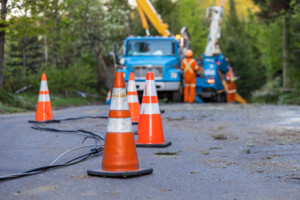
 Power outages can happen at any time. Whether caused by severe weather or equipment issues, losing power disrupts your home, daily routine, and comfort. In this guide, we’ll share some of the most common causes of power outages, so you can prepare and respond quickly when they occur.
9 Most Common Causes of Power Outages
Power outages are caused by natural and human factors, such as:
1. Severe Weather
Severe weather is one of the most common causes of power outages, especially in states like New York and Pennsylvania. High winds can knock down power lines, and lightning can damage transformers and other electrical equipment. Heavy rain and storms can also weaken infrastructure over time.
2. Falling Trees and Branches
Trees and large branches are a major threat to overhead power lines. Strong winds, heavy snow, or saturated soil can cause trees to fall unexpectedly. Even smaller branches can snap and interfere with power lines at times.
3. Aging Grid Infrastructure
Some parts of the electrical grid are decades old and don’t handle modern energy demands particularly well. Aging equipment fails more easily, especially during periods of high usage or extreme weather. Components like transformers, substations, and power lines require ongoing maintenance to remain stable.
4. Winter Ice and Snow Load
Ice accumulation places significant weight on power lines and utility poles. This added weight can cause lines to sag, snap, or pull down supporting structures. Heavy snowfall can also damage equipment or make access difficult for repair crews.
5. Flooding and Storm Surge
Flooding can damage both above-ground and underground electrical systems. Water exposure can cause equipment failure or force utilities to shut down power for safety reasons. Storm surge in certain areas can also impact substations and distribution networks. These outages can take longer to restore due to safety concerns and equipment damage.
6. Animals and Wildlife
Small animals like squirrels, birds, and raccoons can interfere with electrical equipment. When animals come into contact with transformers or wiring, they can disrupt power flow or cause short circuits. These incidents may only affect a small area, but they can still cause unexpected blackouts. Utilities often install protective barriers to prevent these issues, but wildlife-related outages still happen occasionally.
7. High Energy Demand
During extreme heat or cold, energy usage increases significantly as heating and cooling systems run more frequently. This increased demand can strain the electrical grid, especially during peak hours. In some cases, the system may become overloaded, leading to power failures or controlled reductions in power.
8. Infrastructure Damage and Human Error
Accidental damage to electrical equipment can cause sudden outages. Construction crews can hit underground lines, or vehicles can collide with utility poles. Equipment can also be damaged from improper handling or operational errors. While these incidents are less predictable, they’re still a common cause of localized blackouts.
9. Planned Outages
Not all power interruptions are unexpected. Sometimes utilities schedule planned outages to perform maintenance, upgrades, or safety inspections. These stops are typically communicated in advance to affected customers. Though inconvenient, planned outages help improve long-term reliability and reduce the risk of larger, unplanned failures.
4 Main Types of Power Outages
Not all power outages are the same. Understanding the type of outage can help you know what to expect.
Blackout
A blackout is a complete loss of power in a large area due to a systemic failure that knocks a power station or multiple power stations off the grid. These outages can last several days or weeks and often require significant repairs.
Brownout
A brownout is a temporary drop in voltage rather than a full outage. Lights may dim, and appliances may not function properly during a brownout.
Rolling Blackout
Rolling blackouts are controlled outages that rotate between areas. Utilities use these to reduce strain on the grid during high demand.
Permanent Fault
A permanent fault happens when equipment is damaged due to abnormal or unbalanced voltage and cannot restore power automatically, leading to power failure. Unlike a blackout, which affects the entire grid, permanent faults are localized, affecting only a few blocks or perhaps a single neighborhood. Repair crews normally come out and fix the issue within a few hours.
How Power Outages Affect Your Home
Power outages can disrupt essential systems and daily routines in your home, including:
- Heating and cooling: Systems stop working, which can cause health and safety issues during extreme temperatures.
- Refrigerators: Food may spoil if outages last several hours.
- Electronic devices: Devices including Wi-Fi and communication tools lose power.
- Sump pumps and well systems: These systems stop operating, increasing the risk of water-related issues.
How to Prepare for a Power Outage in New York and Pennsylvania
Preparation is key in areas like New York and Pennsylvania, which experience both winter storms and summer heatwaves. Here are a few things you can do to prepare for an outage in these areas.
- Build an emergency kit: Include flashlights, batteries, bottled water, non-perishable food, and a first aid kit.
- Keep devices charged: Charge phones, portable chargers, and backup batteries when severe weather is expected.
- Have backup lighting ready: Avoid relying solely on candles. Battery-powered lighting is safer and more reliable.
- Know how to contact your utility company: Your local utility is responsible for restoring power and should be your first call during an outage.
Power Outages Happen. Your Energy Bill Doesn’t Have to Suffer
While power outages are often outside of your control, understanding them can help you stay prepared.
If you have questions about your electricity supply, billing, or available plans, Agway Energy Services® can help. Contact our team today to learn how Agway can help you feel more confident about your energy choices year-round.


