
 Your furnace is one of the most important systems in your home. Even though you rely on it for months at a time, it’s not always obvious how a furnace works or what each component actually does.
To help you get the most from your system, in this guide we’ll explain how furnaces work, how to recognize common problems, and when professional attention is needed.
What is a Furnace?
A furnace is a heating system that circulates warm air through your home. Most residential furnaces produce heat using natural gas, electricity, propane, or oil, then rely on a blower fan and ductwork to distribute it to different rooms.
Your furnace is usually connected to a thermostat that monitors the temperature inside your home. When the temperature falls below your designated setting, the furnace automatically starts generating heat. Once your home reaches the desired temperature, the system shuts off until more heat is needed.
Because furnaces use a fan to distribute heat through your air ducts, they’re considered forced-air heating systems. If your home has central air conditioning, your furnace and AC may share components, including the blower and ductwork.
How Do Furnaces Work? (Step by Step)
A furnace works by warming air inside the system and then sending it out into your home. Though the basic sequence of steps is similar for all furnaces, the exact heating process depends on whether you have a gas, electric, propane, or oil unit.
Step 1: The Thermostat Calls for Heat
Your thermostat monitors indoor temperature throughout the day. When the temperature drops below your selected setting, it tells the furnace to start a heating cycle.
Step 2: The Furnace Begins Producing Heat
How your furnace generates heat depends on your fuel source. In a propane or natural gas furnace, the gas valve opens and lets fuel into the burners. Then the ignition system lights the burners and starts producing heat.
In an oil furnace, a pump sends heating oil to a burner, where it’s mixed with air, atomized, and ignited to produce heat.
Electric furnaces don’t burn fuel. Instead, they generate heat by passing electricity through resistance coils, causing them to heat up.
Step 3: The Heat Exchanger Warms Up
In natural gas, propane, and oil furnaces, hot combustion gases pass through the heat exchanger, which becomes hot while keeping carbon dioxide and other waste emissions separate from the air that will circulate through your home. Electric furnaces use heated coils rather than combustion gases to transfer heat into household air.
Step 4: The Blower Moves Air Across the Heating Components
The blower pulls cool air from your home through the return ducts and furnace filter. It then moves that air across the heat exchanger or heating coils, raising the air’s temperature before it gets circulated through your home.
Step 5: Warm Air Travels Through Your Home
Once heated, the air travels through your supply ducts and exits through registers in each room. As the air cools, it’s pulled in through return vents, and the cycle continues.
Step 6: The Furnace Shuts Off
Once the thermostat detects your home has reached the right temperature, it tells the furnace to stop producing heat. The blower may continue running briefly to move remaining warm air through the ductwork before the system shuts down.
Key Components of a Furnace & What They Do
Though all furnaces are designed differently, a few components are used within nearly all systems.
Thermostat
Your thermostat is the furnace’s main control point. It detects changes in indoor temperature and tells your heating system when to start and stop.
Fuel Valve
If you have a natural gas or propane furnace, the fuel valve controls the flow of fuel to the burners. Problems with this component can prevent your furnace from activating, resulting in inconsistent heating or fuel delivery.
Oil furnaces use an oil pump instead of a fuel valve. If it malfunctions, the burners may not activate or repeatedly trip because it can’t generate a strong enough flame. Because electric furnaces don’t burn fuel to produce heat, they don’t encounter these types of problems.
Ignition System
Modern natural gas and propane furnaces use an electronic ignition system to light the burners, but older furnaces may rely on a standing pilot light instead. Oil furnaces also use an ignition system, but typically use electrodes to create the spark needed to ignite the fuel and air mixture.
Burners
In propane and natural gas furnaces, the burners mix natural gas with air and ignite it to produce heat. They need to remain clean and properly adjusted for safe and efficient combustion. Oil furnaces use a burner that atomizes the heating oil and mixes it with air before igniting it.
Heat Exchanger
In natural gas, propane, and oil furnaces, a heat exchanger transfers heat from the burners to the air circulating through your home. It also keeps combustion gases separated from your household air, so it’s incredibly important for safe operation.
Induced Draft Motor
Natural gas and propane furnaces use an induced draft motor to help remove combustion gases like CO2 from the heat exchanger, so they can be safely released through the exhaust vent or flue. Oil furnaces have a burner motor that performs the same function, forcing waste emissions safely out the chimney or flue pipe.
Blower Motor and Fan
The blower is a motorized fan that moves air through the furnace, across the heat exchanger, and into your home’s ductwork. If you have a central HVAC system, the blower also circulates cool air during the summer.
Furnace Filter
The filter captures dust, pet hair, and other airborne particles before they reach the furnace, keeping them from circulating through the system. If your filter is clogged, it can reduce airflow and force your furnace to work harder, so it’s important to replace it regularly.
Safety Controls
Today’s furnaces have several safety features that monitor temperature, airflow, ignition, combustion, and other operating conditions, allowing the system to shut down your furnace or prevent it from activating if it detects an unsafe development.
Types of Furnaces by Speed and Stage
Furnaces are classified by how precisely they control heating output and airflow. There are three types commonly found in homes and businesses: single-stage, two-stage, and variable-speed systems.
Single-Stage Furnaces
A single-stage furnace has two settings: on and off. When it runs, it operates at full blast until the thermostat reaches your desired temperature. This design is simple, but offers less control over temperature and energy use. Full-output operation can also create more noticeable temperature swings between heating cycles.
Two-Stage Furnaces
A two-stage furnace can operate at both a lower and higher output. When temperatures are mild, you can set it to run at the lower stage for longer, steadier heating. When outdoor temperatures drop, you can switch to the higher setting for full-power cycling.
Variable-Speed Furnaces
Variable-speed furnaces can adjust blower speed over a much wider range, based on your heating needs. Rather than repeatedly operating at one fixed speed, the system makes smaller adjustments to maintain a more consistent indoor temperature. Longer, lower-speed cycles can also improve air circulation, filtration, and humidity control depending on your furnace’s design and AFUE rating.
Types of Furnaces by Fuel Source
Furnaces can also be categorized by the energy source used to generate heat.
Natural Gas Furnaces
Natural gas is one of the most common fuel sources for furnaces throughout the U.S. A gas furnace burns natural gas in the combustion chamber and transfers the resulting heat through the heat exchanger.
Gas furnaces are available in a wide range of efficiency levels and system configurations. Operating costs depend on your equipment’s efficiency, local natural gas prices, climate, and heating needs.
Electric Furnaces
Electric furnaces use resistance heating elements rather than burners. Because they don’t produce any emissions, they don’t need combustion venting the way gas furnaces do. Electric resistance furnaces convert nearly all of the electricity they consume into heat. However, actual heating costs depend on your local electricity prices and the amount of heat your home needs.
Propane Furnaces
Propane furnaces are similar to natural gas furnaces because they use propane stored on your property in a tank. They’re often found in homes where natural gas service isn’t available. If you use propane, you need to monitor your propane supply and arrange for deliveries as needed, especially during periods of heavy use, such as winter.
Oil Furnaces
Oil furnaces burn heating oil stored in a tank at your property. They’re still in use in some older homes and in regions where heating oil has historically been common. Like propane systems, you need to maintain an adequate fuel supply. Regular burner and combustion maintenance is also important to keep it running safely and efficiently.
Common Signs Your Furnace May Need Maintenance or Repairs
Even if your furnace is still producing heat, it may start showing signs that it needs service. Addressing small problems early on can help prevent larger and more disruptive issues later. Look for signs such as:
- Uneven heating: Some rooms feel considerably warmer or colder than others.
- Weak airflow: Less warm air is coming through the vents than usual.
- Frequent cycling: The furnace repeatedly turns on and off without completing a normal heating cycle.
- Unusual noises: Banging, rattling, squealing, grinding, or buzzing, which are often caused by worn or loose components.
- Higher energy usage: A furnace that is not functioning properly may consume more energy.
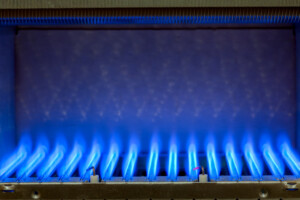
- Yellow or irregular burner flame: A gas furnace should generally produce a steady blue flame. An unusual flame should be professionally evaluated.
- Persistent odors: Burning, electrical, or gas odors require attention and should not be ignored.
- Difficulty starting: Delayed ignition or repeated startup attempts can signal problems with the ignition system, gas valve, or other vital components.
Completing a furnace tune-up before cold weather arrives can help you identify maintenance needs before you start running the system. If you start dealing with repeated repairs or declining performance, it may be time for a new furnace rather than continuing to invest in an unreliable system.
Protect Your Furnace with EnergyGuard
In addition to providing reliable natural gas and electricity supply, Agway Energy Services® also offers Agway EnergyGuard® to all its customers as an included benefit. Every furnace experiences wear and tear over time, and EnergyGuard helps cover qualifying repairs to covered systems*.
For natural gas customers, that protection can include repairs to gas furnace and boiler components. If your furnace stops working or develops a problem, call Agway to have a technician sent out to diagnose the issue.
Sign up today for reliable energy supply with added system protection.
Furnace FAQs
What is the difference between a furnace and an air conditioner?
The difference between a furnace and an air conditioner is that a furnace heats your home, while an AC cools it. In a central HVAC system, the two pieces of equipment may share components including the thermostat, ductwork, blower, and air distribution system. Because these systems often work together, a problem with one component can sometimes affect both heating and cooling performance.
Is a furnace gas or electric?
Furnaces can be powered by natural gas, electricity, propane, or heating oil. Natural gas and electric furnaces are the most common residential options, but availability varies by region. The best option for your home depends on your existing infrastructure, equipment, climate, and local energy costs.
Does an HVAC system have a furnace?
Yes, an HVAC system can have a furnace. HVAC stands for heating, ventilation, and air conditioning, so a furnace may provide the heating portion of your home’s HVAC system. However, not every HVAC system uses a furnace. Some homes may use boilers, heat pumps, or electric baseboard heating.
If I need to replace my furnace, should I also replace my AC unit at the same time?
Not necessarily. If your air conditioner is relatively new and operating efficiently, you may only need to replace the furnace. However, replacing both makes sense if your AC is showing signs of problems, or if new equipment wouldn’t work well with your existing system.
What is the difference between a boiler and a furnace?
A boiler heats water and distributes heat through radiators, baseboards, or radiant floor systems, while a furnace heats air and distributes it through ducts and vents. Because both systems heat homes in very different ways, the maintenance needs and installation requirements differ as well. Read more about the differences between boilers and furnaces.
*Coverage depends on commodity purchased.


