
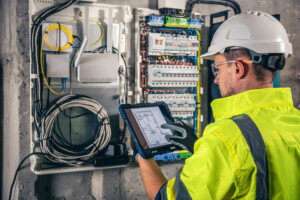
 Your electrical panel is an essential part of your home. Replacing it can cost anywhere between $800 and $4,500 or more, depending on labor, permits, your panel’s amperage, and whether you’re replacing existing hardware or upgrading your home’s electrical service.
Because every home is different, a licensed electrician should inspect your existing system and provide an estimate based on your energy needs. In this article, we’ll share more about what goes into an accurate quote and what to expect when replacing your electrical panel.
Average Electrical Panel Replacement Cost by Amperage
Panel size is one of the biggest factors impacting the cost of electrical panel replacement. Amperage measures how much electrical current your home can safely handle at one time. Here are some typical installation costs:
| Panel Size | Installed Cost Range | Used In |
| 100 amp panel | $800-$1,500 | Smaller or older homes |
| 150 amp panel | $1,200-$1,600 | Medium-sized homes |
| 200 amp panel | $1,300-$2,000 | Most modern homes |
| 300 amp panel | $2,000-$3,500 | Large homes with more electrical demand |
| 400 amp panel | $2,500-$4,000+ | Very large homes or properties with extremely high electrical demand |
Keep in mind that these ranges are generalized estimates. Your total can increase if the project includes upgrading the utility service, relocating the panel, replacing the meter box, correcting outdated wiring, repairing drywall, or similar improvements. A licensed electrician can give you a more realistic quote based on your specific needs.
What is the Difference Between Replacing and Upgrading a Panel?
Replacing an electrical panel means removing your existing panel and installing a new one with the same service capacity. For example, your electrician may replace an aging 100-amp panel with a brand-new 100-amp panel because your existing equipment is damaged or outdated.
Upgrading an electrical panel means increasing the electrical capacity available to your home, such as going from 100 amps to 200 amps. A project like this often requires more extensive work because the utility service, meter equipment, wiring, and other components need to be changed to support the higher capacity.
Speak to your electrician about your home’s needs before making any decisions. If your electrician determines that your existing electrical service no longer meets your home’s needs, a replacement could become an upgrade instead.
What Factors Affect Electrical Panel Replacement Cost?
Several factors can affect the total cost of an electrical panel replacement. The panel itself is only one part of the cost. Labor, permitting, existing wiring, accessibility, and the amount of electrical work needed all impact the final price.
Panel Size & Type
Higher-amperage panels often cost more because they require larger equipment and a more complex installation. The number and type of circuit breakers also matter. A home that needs additional dedicated circuits or specialized breakers often requires more materials and labor than a basic panel replacement.
Labor, Permits, & Inspection
Electrical panel work should always be completed by a licensed electrician. Labor is often a significant part of the total cost because the electrician needs to safely disconnect the existing equipment, install the new panel, reconnect circuits, and test the system. Most panel replacements also require an electrical permit and inspection. Local requirements and permit costs vary, so ask your electrician what’s required in your area before agreeing to any work.
Code-Required Breakers and Wiring Corrections
Replacing your panel may reveal older components that need to be brought up to date before the new system can pass inspection. Depending on current electrical codes and the circuits involved, your electrician may need to install AFCI or GFCI protection, replace damaged wiring, correct grounding or bonding problems, or update other electrical components. Homes that still rely on older fuse box equipment may also require additional work during the transition.
Home Age & Panel Location
Panel replacement may be more complicated in older homes. Older homes often have outdated wiring, unsafe grounding, or circuits that don’t meet current safety standards. Panel location can also affect labor, as panels behind finished walls or in areas without enough clearance are more difficult to replace. Relocating the panel can also add to the scope of the project, as wiring will need to be extended or rerouted.
Signs You May Need a New Electrical Panel
A single electrical problem may not be a sign your panel needs to be replaced, but repeated problems should be evaluated by a licensed electrician. Common warning signs include:
- Frequent circuit breaker trips
- Flickering or dimming lights
- Buzzing or humming from the panel
- Warm outlets or breakers
- Scorch marks or discoloration
- A burning smell
- Breakers that won’t reset
- Rust or corrosion
- An older fuse box
- Not enough circuits for your household’s electrical needs
These problems may point to an overloaded circuit, failing breaker, damaged wiring, or another issue besides the panel itself. However, recognizing the signs your electrical panel needs an upgrade can help you decide when it’s time to contact a professional and schedule an inspection.
If you notice more severe issues, like smoke, sparking, or a strong burning smell, turn off your home’s electricity if safe to do so and call 911 immediately.
Reasons Why Homeowners Upgrade Their Panels
Many homes were built before modern-day electrical demand. Adding modern electrical equipment, such as new appliances or devices, can increase electrical capacity in your home beyond what your panel was designed to handle. This is especially true for homeowners in New York and Pennsylvania who often need major electrical upgrades for older properties.
Adding a Heat Pump or Ductless Mini-Split
Heat pumps and mini-splits add significant electrical loads because they operate for long periods of time. Before installing one, contact an electrician to confirm that your home can support the new equipment.
Switching to an Electric or Induction Range
Electric and induction ranges often require dedicated high-amperage circuits. Older homes equipped with a gas range may not have the circuit or available panel capacity needed for an electric range. An electrician can determine if a new circuit is enough or whether the panel should be upgraded as well.
Remodeling or Building an Addition
Kitchen remodels, finished basements, home offices, and new additions require adding outlets, lighting, HVAC equipment, and more. If your existing panel is already full or close to capacity, your remodeling projects may create a need for a larger panel or additional circuits. Including electrical planning as part of your energy-efficient remodeling project can prevent capacity problems after the project is complete.
Installing an EV Charger
Level 2 electric vehicle chargers create a large load on your electrical system. Depending on its size and your existing capacity, installing an EV charger may require a dedicated circuit or larger panel. An electrician can perform a load calculation before installation to determine if your existing panel can safely handle the new equipment.
Meeting Insurance, Inspection, or Home Sale Requirements
Older fuse boxes and electrical panels sometimes raise concerns during insurance reviews, home inspections, and real estate transactions. Requirements vary by insurer and property, so an older panel doesn’t automatically mean coverage will be denied. However, they bring several safety concerns, from obsolete components to panels with known issues, so they’ll typically need to be inspected or replaced before a policy is issued or a home sale moves forward.
Protect Your Home’s Electrical System With Agway EnergyGuard®
An electrical panel upgrade is usually a planned improvement, but it’s not the only issue you need to be concerned about. Failed breakers, faulty outlets, and wiring problems often happen unexpectedly due to ordinary wear and tear.
Agway EnergyGuard® is a value-added service that helps cover unexpected breakdowns.* Some of the common electrical repairs we cover include replacing circuit breakers, switches, outlets, GFCI outlets, and dimmer switches, as well as repairing interior wiring.
In addition to this included repair protection, Agway Energy Services® provides reliable electricity and natural gas supply to homeowners and small business customers in participating areas of New York and Pennsylvania. Contact us today to learn more about becoming an Agway customer and keeping your power running safely all year long.
*Coverage depends on commodity purchased.
Electrical Panel Replacement FAQs
Can you replace an electrical panel yourself?
No, replacing an electrical panel should only be done by a licensed professional. This task involves high-voltage equipment and can cause severe electrical shock, fire, or death. Follow appropriate electrical safety practices and leave panel replacement to a professional.
Does insurance or a home repair plan cover panel replacement?
Homeowner insurance often covers electrical damage caused by sudden events like fire, but typically doesn’t cover deterioration caused by normal wear and tear. Coverage depends on your individual policy and the cause of the damage.
Agway EnergyGuard can help you pay for qualifying repairs caused by wear and tear on covered interior electrical systems, including panel replacements, if the damage was caused by normal use.* However, it won’t pay for planned panel upgrades. Call Agway first if an existing electrical component fails so they can determine whether the repair is covered.
Is it cheaper to repair or replace an electrical panel?
It’s often cheaper to repair an electrical panel if the issue is minimal, such as a replaceable breaker, connection, or other individual components. Replacement is often a better option if the panel is significantly damaged, outdated, corroded, or undersized. A licensed electrician can determine whether the issue can be safely repaired or needs replacement.
How often should an electrical panel be replaced?
Electrical panels don’t have a set replacement schedule and often remain in service for several decades. However, panels that are over 25 years old are at higher risk for replacement, especially if they show signs of corrosion, overheating, frequent breaker trips, or insufficient capacity. Have an electrician inspect older equipment if you aren’t sure whether it still meets your household’s needs.
Is there a tax credit for electrical panel upgrades?
As of 2026, the federal Energy Efficient Home Improvement Credit is no longer available for electrical panel upgrades placed in service after December 31, 2025. However, state, local, or utility incentives may be available depending on where you live and what equipment the electrical upgrade supports. Check current government and utility programs before starting the project rather than relying on older information about federal panel credits.
Can I replace my electrical panel without rewiring my house?
Yes, you may be able to replace your electrical panel without rewiring your house. If the wiring is safe, properly grounded, and compatible with the new panel, an electrician may be able to perform a replacement without any rewiring.
Additional wiring work may be required if the electrician finds damaged insulation, outdated wiring, unsafe connections, insufficient grounding, or circuits that need to be brought up to current requirements.


